Big Bend National Park Travel Guide : Rio Grande

Big Bend National Park Travel Guide

Few parks can match the remote and vast allure of Big Bend National Park. Nestled along the majestic Rio Grande, this 800,000-acre expanse of desert, canyons, and mountains beckons with a solitude that's a rare find in most national parks. It's a realm of extremes: blistering desert floors, the crisp embrace of Chisos' mountain air, and rivers that carve deep canyons through limestone cliffs, offering a unique experience for every nature lover.
Remote and rugged, Big Bend is where desert, river, and mountains meet under endless sky.
How to Get There
Reaching Big Bend National Park is accessible via regional airport hubs and connecting scenic highway routes. Visitors can utilize gateway airport car rentals or regional shuttle networks during peak operating seasons. Check current seasonal road status and weather alerts before beginning your drive.
Big Bend is remote—part of its charm. The closest airport is Midland-Odessa (MAF), about 3.5 hours away. El Paso is five hours. You'll need a car; public transit isn't an option. The main entrances are Persimmon Gap, Panther Junction, and Rio Grande Village. Many combine a visit to Big Bend with a trip to Marfa, the quirky desert art town located about three hours northwest.
Know Before You Go
Before arriving at Big Bend National Park, confirm current entrance fees, timed-entry reservations, and backcountry permit requirements. Cell phone reception is often limited throughout backcountry sectors, so download offline maps and trail information in advance. Always practice Leave No Trace principles and carry adequate hydration and thermal layers.
Big Bend, despite being one of the least visited national parks, is not for the unprepared. Summer temperatures can soar above 110°F, making it essential to carry more water than you think you'll need. With few gas stations, it's wise to fill up whenever you can. If you plan to cross the border into Mexico via the Boquillas Crossing Port of Entry, be sure to check the hours beforehand.
Best Time to Visit
The optimal time to visit Big Bend National Park depends on your target outdoor activities. Summer delivers warm days, full trail accessibility, and ranger programs, while shoulder seasons (spring and autumn) provide crisp weather, stunning seasonal foliage, and peaceful trails with significantly fewer crowds.
Fall and spring are ideal, with temperatures in the 70s and 80s. Winter is pleasant but chilly at night, dipping into the 30s. Summer is brutally hot and best avoided unless you're prepared for desert extremes.

Best Things to Do
From panoramic valley viewpoints to immersive ranger-led programs and wildlife observation, Big Bend National Park offers remarkable experiences for every traveler. Prioritize iconic landmarks at sunrise or sunset for optimal lighting and tranquil wilderness encounters.
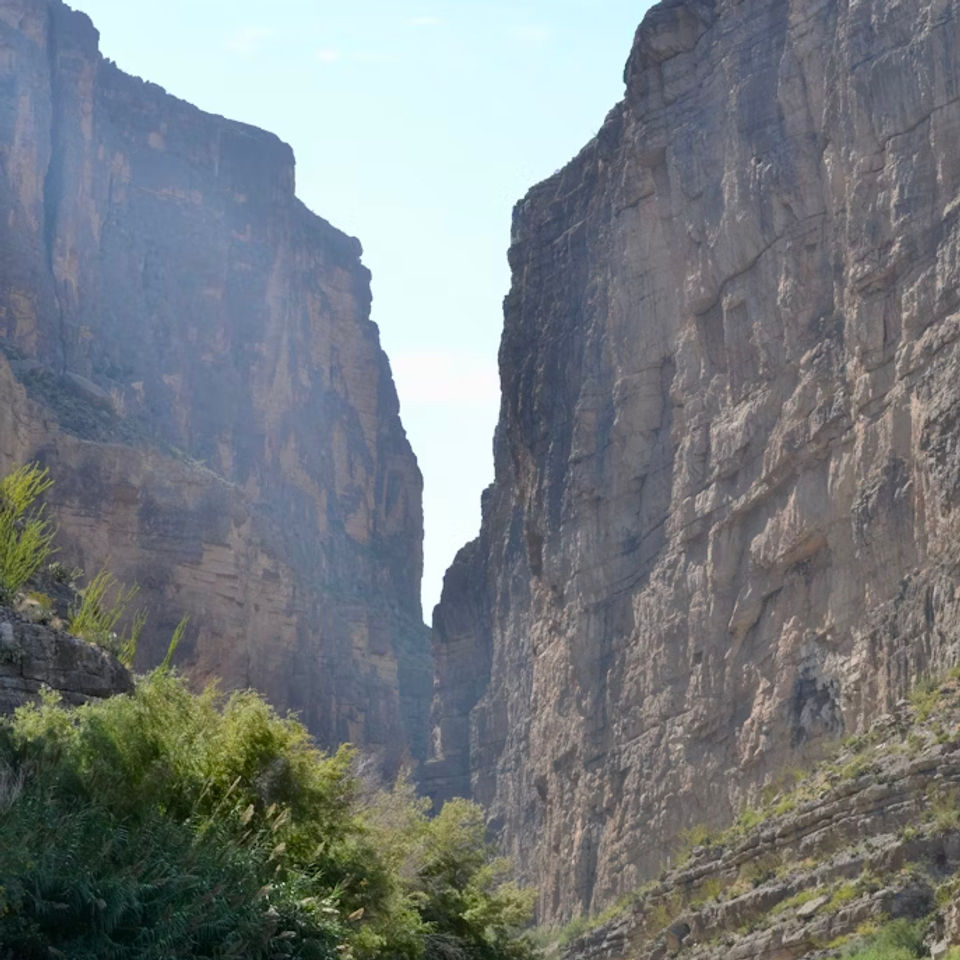
Scenic drives: The Ross Maxwell Scenic Drive offers sweeping desert views that end at Santa Elena Canyon.
River trips: Paddle the Rio Grande through canyons like Boquillas or Santa Elena for unforgettable perspectives.
Hot Springs: Soak in the natural hot springs along the river near Rio Grande Village.
Stargazing: Big Bend is one of the darkest parks in the country—astronomy programs here are unreal.
Best Hikes
Hiking provides the most immersive way to experience Big Bend National Park. Trails range from accessible nature walks suitable for all ages to demanding backcountry summit ascents. Always check trail conditions at the visitor center, stay on marked footpaths, and carry the ten outdoor essentials.
Lost Mine Trail (4.8 miles): Panoramic mountain views with manageable effort.
Santa Elena Canyon Trail (1.7 miles): Short, dramatic hike into towering canyon walls.
South Rim (12–15 miles): A bucket-list backpacking trip with sweeping views of the Chihuahuan Desert.
Places to Stay
Accommodations near Big Bend National Park suit every preference, including developed in-park campgrounds, scenic backcountry tent sites, and historic park lodges. Surrounding gateway communities offer an extensive selection of boutique hotels, cozy cabins, and vacation rental homes.
Chisos Mountains Lodge: The only lodge inside the park. Book well in advance.
Campgrounds: Rio Grande Village, Chisos Basin, and Cottonwood offer different vibes.
Terlingua: Quirky ghost town with cabins, casitas, and desert-chic Airbnbs.
Places to Eat
Dining options within Big Bend National Park feature seasonal visitor dining halls, casual cafes, and camp stores stocked with groceries and trail provisions. Nearby gateway towns showcase vibrant dining options ranging from local farm-to-table restaurants to craft breweries and bakeries.
Starlight Theatre (Terlingua): Iconic desert dining with chili, live music, and a lively porch scene.
Rio Bravo Restaurant (Boquillas, Mexico): Take the river crossing and grab authentic Mexican dishes.
Stock up on supplies in Alpine or Marathon before heading into the park.


