Glacier Bay National Park: Tidewater Glaciers of Alaska

Updated: 2 hours ago
The chill of the Alaskan air clawed at my skin as the ship sliced through the frigid waters toward Glacier Bay National Park. A quiet wilderness of rock, water and tall glacier faces waited for me. Standing at the bow, I watched the misty horizon transform into a landscape of serene beauty. The verdant forests clung to the rugged slopes, welcoming me to a realm of untouched grandeur.
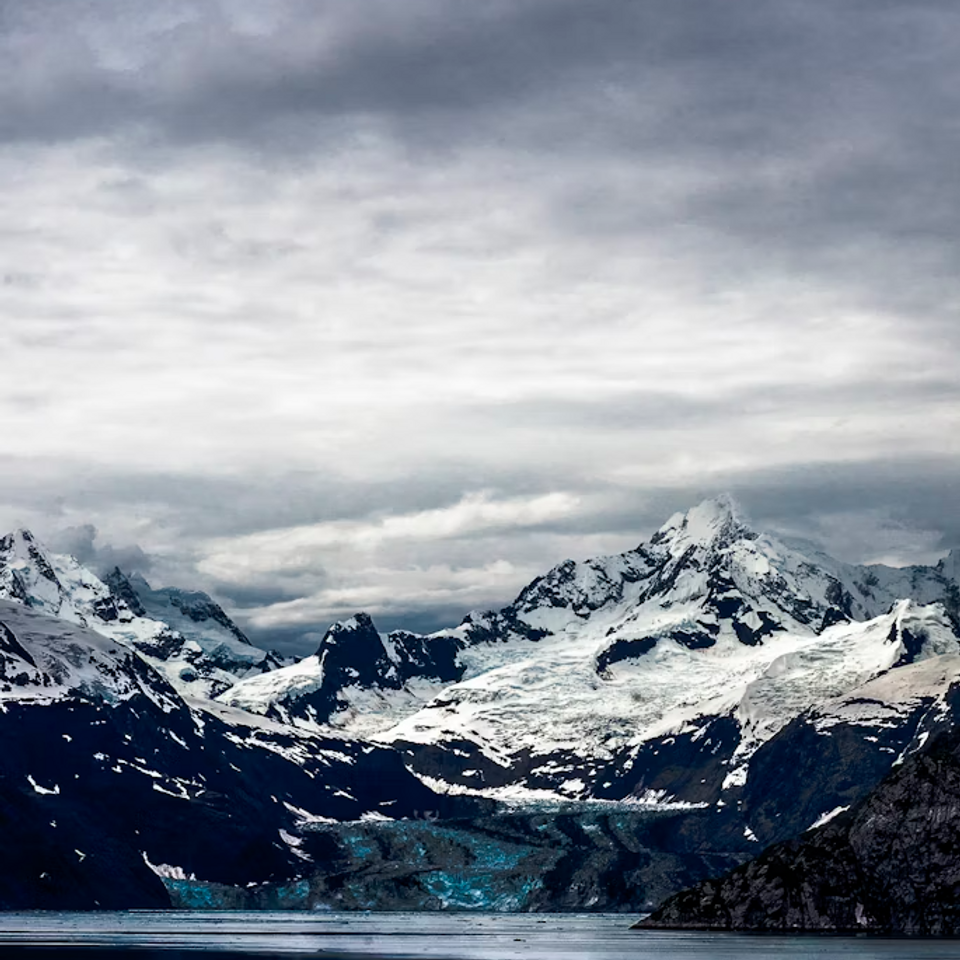
As we approached, the icy giants loomed, shimmering under the Arctic sun. Each glacier stood at the head of its inlet, blue and cracked, still carving the land the way it has for thousands of years. Amongst them, the Margerie Glacier stood tall, its icy blue façade reflecting the brilliance of the heavens.

Glacier Bay National Park Intro
Glacier Bay National Park stands as one of the most remarkable destinations in the region, featuring pristine natural vistas, diverse terrain, and abundant outdoor recreation opportunities for visitors year-round.
Navigating the inlets, the stillness enveloped me, an eerie tranquility that whispered tales of ancient times. Seabirds danced in the air, a graceful ballet echoing against the sheer cliffs. Sea lions basked on floating ice chunks, their calls reverberating across the water, a symphony in the wild. The magic unfolded with each passing moment, revealing nature's theatrical masterpiece. The park's richness expanded beyond the glaciers. Humpback whales breached in the distance, as if choreographed by nature's artistry. Dolphins carved through the waters, sharing their playful spirit with the beholders.
As the ship set out on its journey back, leaving behind this wilderness sanctuary, I carried with me the whispers of the glaciers, the dance of the seabirds, and the raw grandeur of a land untouched by time. In Glacier Bay, I found not just a destination, but an indelible experience—a communion with nature's grand design, an encounter that would forever resonate within the depths of my being.

Glacier Bay Fast Facts
Glacier Bay is a park of water and ice: a long, branching fjord where tidewater glaciers still drop ice straight into the sea.
Location: Southeast Alaska, west of Juneau, reached only by boat or plane
Established: National monument in 1925, and a national park and preserve since 1980
Size: About 3.3 million acres of mountains, glaciers, forest and sea
Elevation: From sea level to 15,325 feet at the top of Mount Fairweather
Signature ice: Tidewater glaciers such as Margerie Glacier, calving into the upper bay
Recognition: Part of a World Heritage Site shared with neighboring parks in Alaska and Canada
Top Attractions
Most visitors see Glacier Bay from the deck of a boat, but there is more to it than the ice.
Tidewater glaciers: Margerie and the other glaciers at the head of the bay's upper inlets
Bartlett Cove: Park headquarters, the visitor center, the lodge and the park's only trails
Whale watching: Humpback whales feeding in the bay through the summer
Sea kayaking: Paddling among icebergs and quiet coves, for experienced paddlers or with a guide
Best Time to Visit
Summer, from about late May to mid-September, is the main season, when boat tours and the lodge are running and the days are long. June and July bring the most daylight, and whales are in the bay all summer. Expect cool, wet weather in any month, and pack rain gear even on a clear morning.
History and Culture of Glacier Bay
Glacier Bay is the homeland of the Huna Tlingit, who lived and fished here until advancing ice drove them from the bay a few centuries ago. They still call it home, and the Xunaa Shuká Hít, a tribal house built at Bartlett Cove, opened in 2016 as a place for Huna Tlingit to gather in their homeland.
From Monument to National Park
When Captain George Vancouver sailed past in 1794, the bay was little more than a dent in a wall of ice. By the time John Muir paddled in by canoe in 1879, the ice had pulled back dozens of miles. President Calvin Coolidge protected the area as a national monument in 1925, and it became a national park and preserve in 1980.
A Bay That Is Still Growing
The glaciers have retreated more than 60 miles since Vancouver's day, one of the fastest glacial retreats on record. Plants, animals and people have followed the ice up the bay, so you can see forest, young shrubs and bare rock in the space of one boat ride.
Wildlife and Ecology
Glacier Bay's cold, nutrient-rich water feeds a lot of life. Humpback whales, orcas, harbor seals, Steller sea lions and sea otters live in the bay, and tufted puffins and other seabirds nest on its islands. On land, brown and black bears walk the beaches and mountain goats cling to the cliffs. Watch from a distance and give whales and bears plenty of room.
Plan Your Visit
There are no roads into Glacier Bay: most visitors come by cruise ship or by plane or ferry to Gustavus, near Bartlett Cove. Check the National Park Service website for current boat tour, camping and private boat permit information before you go.
For the full picture of Glacier Bay, use these companion guides:
Glacier Bay National Park Travel Guide: getting there, boat tours, where to stay and the best hikes
Glacier Bay National Park Highlights: the top sights at a glance
Glacier Bay National Park Reflections: the ice and the water in a quieter, more personal light
Explore more of Glacier National Park: Glacier National Park Reflections: Echoes of the Land
🌲 WILD DIRT OFFICIAL TRAILHEAD: National Park Field Guides & Adventure Gear — Gear up for the backcountry with our sustainably crafted trailhead apparel, field guides, and waterproof topographic trail maps. [Explore the Collection →]
Sources
NPS & Government


