Voyageurs National Park Travel Guide: Boats, Houseboats & Camping

Updated: 5 days ago
Voyageurs National Park in Minnesota is one of America's premier outdoor sanctuaries. Encompassing 218,200 acres of protected wilderness, the park is celebrated for Water-based maze of interconnected lakes and boreal forests along the Canadian border, prime for houseboating and stargazing.. Whether you are embarking on your first visit or returning to explore backcountry terrain, this travel guide provides the essential details for an unforgettable journey.
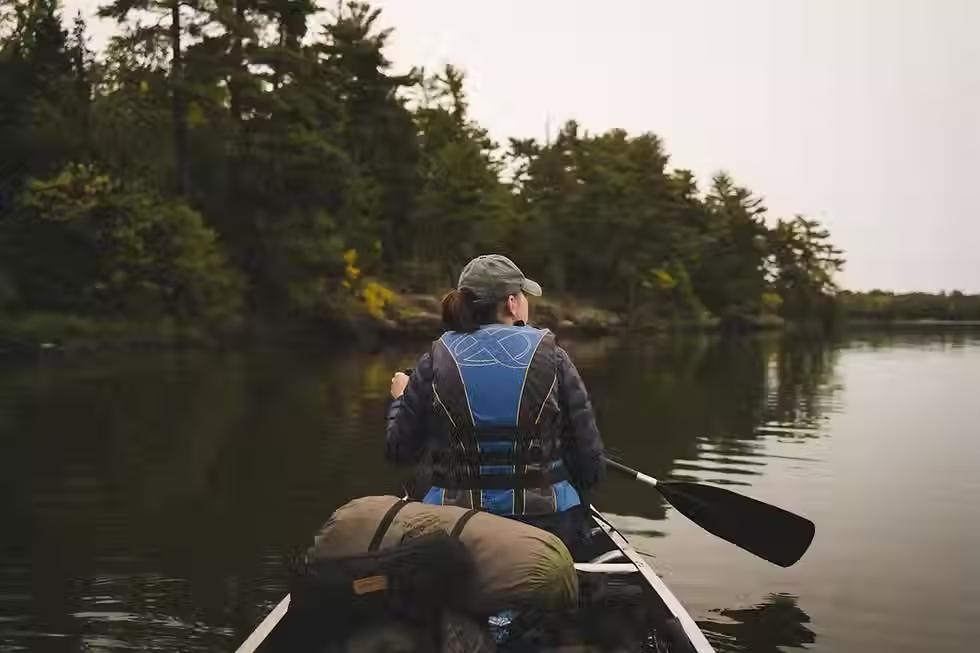
"Water-based maze of interconnected lakes and boreal forests along the Canadian border, prime for houseboating and stargazing."
How to Get to Voyageurs
Reaching Voyageurs National Park is straightforward by air and highway. Most travelers fly into regional hubs and rent a vehicle for scenic driving across the park corridor. During peak summer and fall visitation, public transit and seasonal shuttles operate along high-traffic routes to ease congestion at popular trailheads.
Know Before You Go
Plan ahead for vehicle reservations and permits, which are increasingly required during peak visitation windows. Cell service is limited in deeper sections of the park, so download offline maps before entering. Practice Leave No Trace principles by packing out all trash and respecting native wildlife.
Best Time to Visit Voyageurs
The best time to visit Voyageurs National Park is July – August, when seasonal temperatures are pleasant and key roads and facilities remain accessible. Summer offers full access to high-elevation trails, while shoulder seasons feature fewer crowds and dramatic seasonal transitions in foliage and wildlife activity.
Best Things to Do in Voyageurs
From panoramic scenic drives to guided ranger programs and stargazing under certified Dark Sky reserves, Voyageurs National Park offers activities for every travel style. Key highlights include exploring Rainy Lake, Kabetogama Lake, Houseboating, sunrise photography at prime vistas, and immersive visitor center exhibits.
Getting Around by Water
Roads only reach the edges of the park: the Rainy Lake, Kabetogama Lake and Ash River visitor centers. Everything else is by water. You can bring your own boat or canoe, rent from outfitters in the gateway towns, or join a ranger-led boat tour in summer. Many campsites are boat-in only.
Charts and Wind Tip
The big lakes are full of rocky reefs just under the surface, so carry a navigation chart and use it. Wind can build whitecaps on Rainy Lake fast: paddle close to shore, start early, and wait it out on land if the water turns rough.
Best Hikes in Voyageurs
Hiking is the quintessential way to experience Voyageurs National Park. Iconic routes range from accessible paved nature strolls to challenging backcountry ascents. Top recommended treks include Rainy Lake for sweeping vistas, and lower-elevation canyon loops that trace serene streams and forested valleys.
Places to Stay
Accommodations range from rustic campgrounds inside the park boundary to historic park lodges and full-service hotels in nearby gateway towns. In-park campsites typically release on a rolling 6-month reservation window, so early booking is strongly recommended.


🌲 WILD DIRT OFFICIAL TRAILHEAD: National Park Field Guides & Adventure Gear — Gear up for the backcountry with our sustainably crafted trailhead apparel, field guides, and waterproof topographic trail maps. [Explore the Collection →]
Fast Facts
Location: Minnesota
Established: 1975
Size: 218,200
Annual Visitors: 240,000
Key Attractions: Rainy Lake, Kabetogama Lake, Houseboating, Ellsworth Rock Gardens, Northern Lights
Sources
NPS & Government
Explore more of Voyageurs National Park: Voyageurs National Park: Lakes of the Minnesota Border

